Trace Following the money through UK finance.

Trace

Following the money through UK finance.

Latest Articles

Ghost Casks and Paper Chains: Proving Ownership in Britain's Whisky Trade
AML Supervision

Ghost Casks and Paper Chains: Proving Ownership in Britain's Whisky Trade

A cask of maturing Scotch is worth what its paperwork says it is worth — and that paperwork is private. As investment demand grows, the chain of contracts, delivery orders and warehouse entries that stands in for an ownership register creates a screening gap that brokers, lawyers and warehouse keepers are only beginning to confront.


The Nominee in the Paddock: Britain’s Bloodstock Market and the Ownership Question
Corporate Transparency

The Nominee in the Paddock: Britain’s Bloodstock Market and the Ownership Question

British bloodstock auctions, stud fees and racing syndicates move high-value assets through agents, nominees and offshore holding companies. Compared with banks and estate agents, the sport’s ownership chain remains lightly scrutinised. This article examines where opacity gathers in the sale ring and what a more credible beneficial-ownership and sanctions regime would require.

The Guarantee Chain: Sanctions Risk Beneath Britain's Construction Bonds
AML Supervision

The Guarantee Chain: Sanctions Risk Beneath Britain's Construction Bonds

Performance bonds and parent guarantees are usually read as credit instruments, but they also map who stands behind a UK construction project. This article traces how sanctioned ownership or control can sit behind layered surety, counter-guarantee and collateral structures, and asks whether lenders and procurement teams screen the chain rather than the contractor.

The Commingled Pot: Sanctions Risk in Britain's E-Money Safeguarding Accounts
AML Supervision

The Commingled Pot: Sanctions Risk in Britain's E-Money Safeguarding Accounts

Safeguarding rules are designed to return customer money if an e-money firm fails. They are not a sanctions control. In Britain's pooled safeguarding accounts, uneven sub-ledgers and aggregate reconciliation can leave designated funds sitting inside a balance that looks, at bank level, entirely ordinary.

The Counter, Not the Vault: Sanctions Risk at Britain's Gold Buyers
AML Supervision

The Counter, Not the Vault: Sanctions Risk at Britain's Gold Buyers

Britain's pawnbrokers and gold counters can turn jewellery into cash in minutes. That ordinary service sits awkwardly between consumer-credit regulation and AML supervision, leaving a sanctions gap that is small per transaction but substantial in aggregate.

The Donor Nobody Checked: Sanctions Gaps in Britain's Charity Fundraising
AML Supervision

The Donor Nobody Checked: Sanctions Gaps in Britain's Charity Fundraising

Britain's charity sector moves money across borders through appeals, grants and partner organisations, yet sanctions screening often stops at the trustee register. This article examines where Charity Commission guidance ends and OFSI enforcement begins, and why good faith is not a control.

The Policy Behind the Flag: Sanctions Diligence in Britain's Marine Insurance Market
AML Supervision

The Policy Behind the Flag: Sanctions Diligence in Britain's Marine Insurance Market

UK marine insurers and brokers stand close to the point where sanctioned shipping risk becomes insured risk. As shadow-fleet activity and layered reinsurance complicate the picture in 2026, the quality of sanctions diligence in the Lloyd's market depends less on the clause than on the questions asked before the slip is signed.

The Benefactor's Ledger: Sanctions Risk in UK University Research Income
AML Supervision

The Benefactor's Ledger: Sanctions Risk in UK University Research Income

UK universities depend on a widening set of overseas donors, foundations and research partners, but sanctions screening for these flows is often split across finance, legal and academic teams. This article examines where research money can become a sanctions-risk channel, what UK institutions are expected to check, and why due diligence can break down before the ledger is read as a whole.

A Register Without a Reader: Why Trust Data Rarely Reaches the Sanctions File
Corporate Transparency

A Register Without a Reader: Why Trust Data Rarely Reaches the Sanctions File

The Trust Registration Service holds millions of entries, yet a trust that appears in a customer file often ends the ownership trail rather than extending it. This piece examines where trust declarations, access rules and sanctions screening part company — and what UK compliance teams should ask when a trustee signs on the dotted line.

The Payer Behind the Pupil: Sanctions Screening at Britain's Independent Schools
AML Supervision

The Payer Behind the Pupil: Sanctions Screening at Britain's Independent Schools

Independent schools can receive six-figure overseas fee payments without being supervised for money laundering or routinely screening the payer. This article examines where the payment chain breaks down, what sanctions law already requires, and what a proportionate standard for 2026 should look like.

The Rent Still Arrives: Sanctions Enforcement and Britain's Letting Gap
AML Supervision

The Rent Still Arrives: Sanctions Enforcement and Britain's Letting Gap

An asset freeze is meant to stop a designated person benefiting from their UK property. In the residential lettings market, the money often keeps moving — through managing agents, rent-collection services and block managers who never see a sanctions screen. This is the enforcement fault line nobody has drawn yet.

The Credit File That Never Was: Buy-Now-Pay-Later and Britain's Monitoring Gap
AML Supervision

The Credit File That Never Was: Buy-Now-Pay-Later and Britain's Monitoring Gap

Britain's buy-now-pay-later market has grown faster than the supervisory toolkit designed to police it. As providers prepare for fuller regulation, the financial-crime risk is less about large credit lines than about thousands of small, plausible transactions that never trigger a bank's alarm.

A Second Act for Sanctioned Owners: Scrutiny Gaps in UK Pre-Pack Sales
AML Supervision

A Second Act for Sanctioned Owners: Scrutiny Gaps in UK Pre-Pack Sales

Pre-pack administrations are designed to preserve value, but they can also preserve control. This analysis examines how distressed sales may move a sanctioned owner’s business into a clean-looking newco, what UK insolvency rules and OFSI guidance require, and where sanctions screening breaks down in practice.

The Paper Border: How False Invoices Move Value Past UK Controls
Corporate Transparency

The Paper Border: How False Invoices Move Value Past UK Controls

Trade-based money laundering moves value through invoices, shipping documents and customs declarations rather than bank transfers. Britain's compliance focus remains fixed on payments, leaving the paper border under-scrutinised. Better cross-agency data sharing could close the gap before the next sanctions-evasion scandal arrives.

The Disposable Account: Why Britain's Mule Economy Survives Closure
AML Supervision

The Disposable Account: Why Britain's Mule Economy Survives Closure

Money mule accounts are the infrastructure that turns scam proceeds, sanctions-linked evasion and overseas fraud into accessible funds. UK Finance and Cifas-style data show that closure alone displaces the problem rather than solving it. A more proportionate, intelligence-led response is needed in 2026.

Token Trouble: Where Britain's Sanctions Net Slips Around Dollar Stablecoins
AML Supervision

Token Trouble: Where Britain's Sanctions Net Slips Around Dollar Stablecoins

Dollar-pegged stablecoins are becoming a preferred rail for sanctioned value, yet UK firms must navigate OFSI guidance, FCA cryptoasset registration and payment rules that were not designed for tokenised dollars. This analysis maps the on-ramp and off-ramp gaps and sets out the red flags that should concern exchanges, payment firms and their supervisors in 2026.

The Wall That Money Can Buy: Art, Provenance and Britain's Ownership Blind Spot
Corporate Transparency

The Wall That Money Can Buy: Art, Provenance and Britain's Ownership Blind Spot

HMRC supervises art market participants, but galleries, auction houses and private dealers still operate with uneven beneficial-ownership checks and porous provenance records. This investigation examines how storage, intermediaries and weak ownership transparency allow sanctioned money to buy respectability on British walls, and what a credible 2026 baseline should require.

The Ownership Gap at Britain's Freeports: Why Customs Relief Deserves Sanctions Scrutiny
Corporate Transparency

The Ownership Gap at Britain's Freeports: Why Customs Relief Deserves Sanctions Scrutiny

Britain's freeports combine customs reliefs, fragmented oversight, and complex ownership chains. Trace maps the practical red flags for banks, freight forwarders, and compliance teams, and sets out what a 2026 policy response should look like before the next scandal lands.

The Economic Crime Levy: A Compliance Tax in Search of a Scorecard
AML Supervision

The Economic Crime Levy: A Compliance Tax in Search of a Scorecard

The UK's Economic Crime Levy is now a fixed cost for regulated firms. But has it strengthened enforcement and deterrence, or simply added another line to the compliance budget? Trace examines where the money goes and proposes concrete metrics for judging the levy's return in 2026 and beyond.

The Kiosk at the Back of the Shop: Britain's Unregistered Cash-to-Crypto Circuit
AML Supervision

The Kiosk at the Back of the Shop: Britain's Unregistered Cash-to-Crypto Circuit

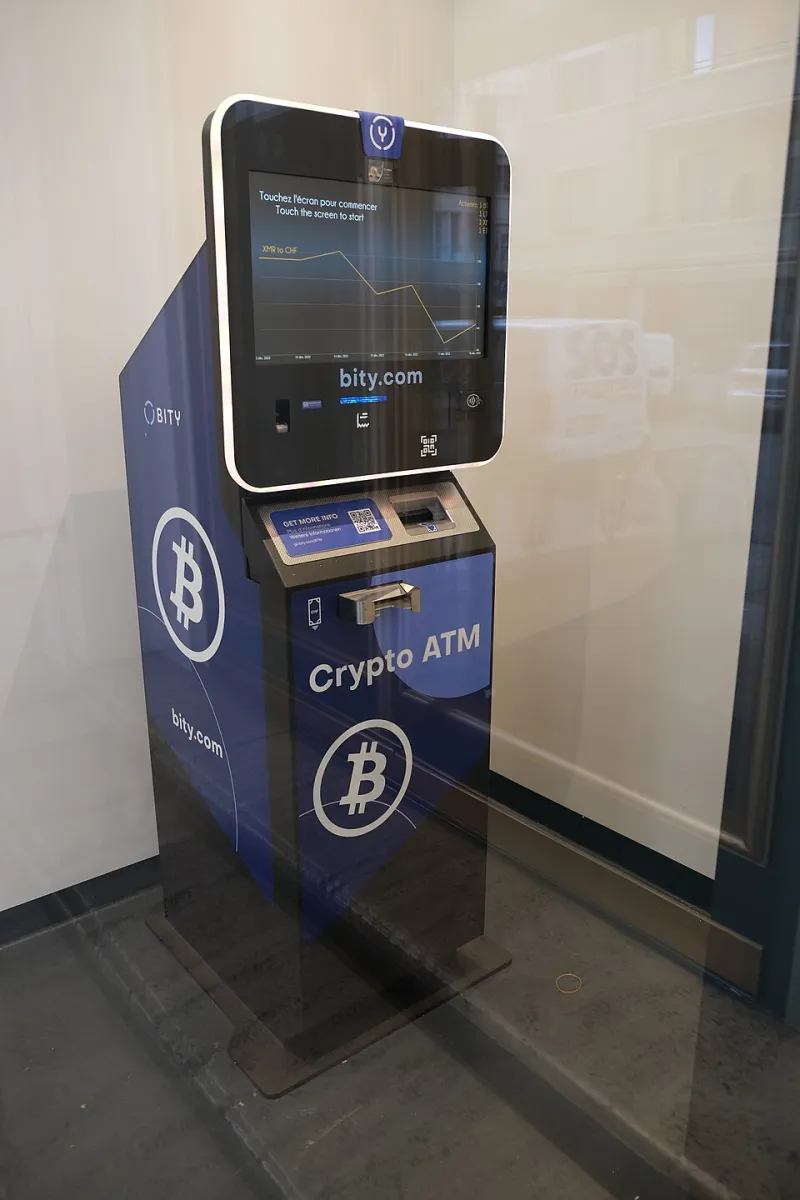
Crypto ATMs promise instant cash-to-bitcoin conversion, but the UK's registration regime has not kept pace with the machines appearing in convenience stores and barbers. For compliance teams, the risk is not the technology but the gap between a cash deposit and a customer who has never been properly vetted.

Recommended

non gamstop casino